Dreaming of a home with original character, a deep front porch, or a downtown setting that still feels tied to its past? If you are exploring historic homes and districts in Minden, you are likely looking for more than square footage alone. You want charm, context, and a clearer sense of what ownership may actually involve. This guide will walk you through Minden’s historic districts, architectural styles, and key considerations so you can move forward with confidence. Let’s dive in.
Minden’s Historic Districts
Minden has two National Register historic districts that stand out for buyers: the Minden Historic District and the Downtown Minden Historic District. According to the National Park Service listings for Louisiana, the residential district was listed in 1992, while the downtown district was listed in 1996.
The residential district includes 71 buildings, most of them homes, with contributing resources dating from about 1850 to 1942. The downtown district covers about 10 acres and reflects Minden’s historic commercial core from roughly 1895 to 1946.
If you are house hunting, that means you may find two very different historic experiences in Minden. One centers on residential architecture and older homes, while the other reflects a preserved downtown setting with historic commercial character.
What Makes Historic Minden Appealing
Part of Minden’s appeal is that it does not feel stuck in one single time period. Instead, its historic areas show how the town evolved over decades, from antebellum roots into a railroad and commerce center and then into a neighborhood of revival-style homes, cottages, and bungalows, as described in the historic district nomination.
That layered character can be a big draw if you want a home with personality. You are not limited to one look or one era. In Minden, historic housing stock includes everything from formal older residences to more modest early 20th-century homes.
Downtown also adds to that appeal. The city notes that its Main Street program began in 1987, and downtown still features its preserved brick Main Street laid in 1917, giving the area a walkable, small-town feel that many buyers appreciate.
Architectural Styles You May See
One of the most interesting parts of touring historic homes in Minden is the range of architectural styles. The residential district nomination identifies styles from Greek Revival to Spanish Colonial Revival, with several popular early 20th-century forms in between.
Greek Revival and Early Homes
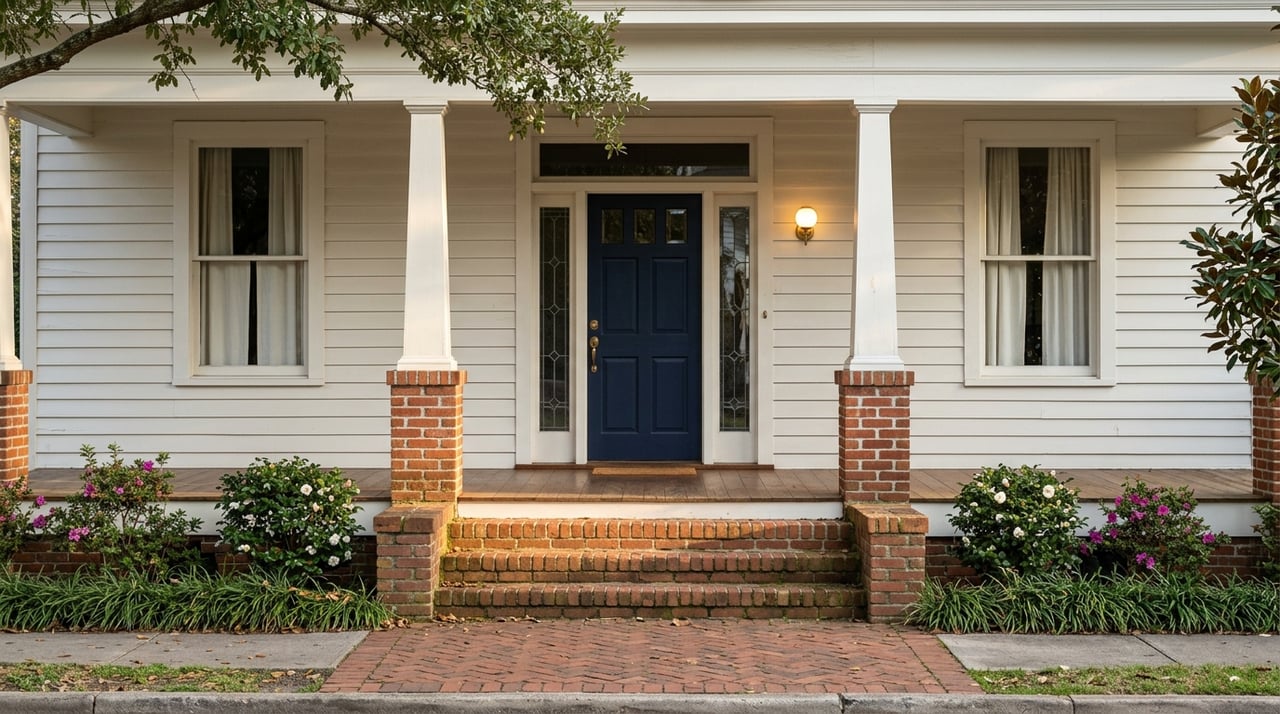
Some of Minden’s older homes reflect Greek Revival design. These houses may feature narrow two-story porticoes along with transoms and sidelights, details that often give the entry a more formal look.
If you love traditional symmetry and older Southern architecture, these homes may catch your eye quickly. They also tend to highlight just how long Minden’s residential story has been unfolding.
Queen Anne and Italianate Influences
Later homes in the district include Queen Anne and Italianate influences. These styles often bring more visual variety, with decorative exterior details, more complex rooflines, and distinctive massing.
Several individually listed homes help illustrate that range. The Fitzgerald House, built in 1902, is described by the National Park Service as a virtually unaltered transitional Queen Anne-Colonial Revival residence.
The Fuller House, built around 1905, includes Queen Anne Revival design with Colonial Revival details, including a turret and wraparound gallery. The Watkins House, built around 1903, combines Queen Anne and Colonial Revival elements with Italianate and Jacobean influences.
Colonial Revival, Craftsman, and Cottages
As you move into the 1920s and 1930s, you may also see Colonial Revival homes, Craftsman houses, and cottages with steep gables and prominent chimneys. These properties can offer a different kind of historic charm, often blending character with layouts that feel more approachable for modern living.
The district also includes a Spanish Colonial Revival library building and the notable Gothic Revival Minden Presbyterian Church, both identified in the district documentation. Together, these landmarks help create the broader visual identity of the area.
Downtown Minden’s Historic Character
If your interest leans more toward lifestyle than architecture alone, downtown Minden deserves a close look. City materials describe downtown as a place with history, shopping, and community events, and official local attraction information presents it as a setting where visitors can step back in time in a meaningful way through preserved surroundings and ongoing activity.
That matters because a historic district is not only about buildings. It is also about how the area functions day to day. In Minden, the preserved brick streetscape and Main Street identity help support a downtown that still feels active and connected to the community.
For some buyers, being near that kind of environment is part of the value. You may be looking for a home that gives you access to a recognizable town center rather than a purely newer development pattern.
What National Register Status Means
Historic designation can sound intimidating at first, but the basics are often more manageable than buyers expect. Louisiana’s preservation office explains that National Register listing is mainly honorific.
In practical terms, that means listing does not automatically restrict the use or sale of a private home. It also does not prevent routine maintenance, require continued occupancy in a certain way, or force owners to open a private residence to the public.
That said, there can be added considerations when federal funding, permits, or licenses are involved. Buyers should also remember that National Register status is separate from local review processes.
Local Review and Preservation Oversight
Before you make plans for exterior changes, it is smart to check local oversight. The city states that its Building Official coordinates the Planning Commission and Historic District Commission.
Minden is also listed by the National Park Service as a Certified Local Government, which means it participates in Louisiana’s local preservation framework and may be eligible for related grant funding. For you as a buyer, the key takeaway is simple: do not assume every update will be treated the same way as it would be in a non-historic area.
If you are considering renovations, ask early whether local historic-district review applies. That one step can help you avoid surprises later in the process.
Historic Home Maintenance Matters
Owning a historic home often means balancing charm with upkeep. The residential district nomination notes that many homes are surprisingly well preserved, but it also mentions vinyl or aluminum siding and some column replacement on a number of contributing buildings.
That tells you two things. First, many properties have remained intact enough to retain historic character. Second, prior repairs or alterations may affect both appearance and future project planning.
When you tour a historic home, pay close attention to exterior features that define its character, such as:
- Porches
- Siding
- Windows
- Chimneys
- Columns
- Rooflines
These details often shape both the property’s curb appeal and the scope of future maintenance.
Tax Incentives Worth Exploring
For the right property, historic status may come with financial upside. Louisiana’s Restoration Tax Abatement can apply to individually listed buildings, contributing buildings in National Register districts, and even owner-occupied homes.
In many cases, the program freezes the property assessment at the pre-improvement level for five years. That can make qualified restoration work more attractive for buyers planning thoughtful updates.
There is also a federal historic rehabilitation tax credit, but the same state source notes that it applies to income-producing properties and requires work to meet the Secretary of the Interior’s Standards for Rehabilitation. If you are buying a primary residence, the Louisiana abatement may be more relevant to your plans.
Smart Questions to Ask Before You Buy
Historic homes can be deeply rewarding, but due diligence matters. A little extra research before closing can help you understand what you are buying and what your options may be.
Use this checklist as a starting point:
- Confirm whether the property is individually listed or contributing to a historic district
- Ask whether local historic-district review applies to exterior changes
- Review any prior alterations or renovation work
- Look closely at condition issues tied to older materials and details
- Check whether restoration tax incentives may fit your intended use
If you are buying from out of town or juggling a busy schedule, having an experienced local guide can make this process much easier. Historic properties often require more context than a standard listing can provide.
Why Historic Homes in Minden Stand Out
Minden offers something many buyers want but cannot always find: architectural character, a recognizable downtown, and a preservation framework that still leaves most private ownership rights intact. That combination gives you the chance to enjoy a home with history without assuming that every aspect of ownership will be overly restrictive.
If you are considering a historic home in Minden or another ArkLaTex community, working with someone who understands both property details and local context can help you make a more informed decision. When you are ready to explore your options, connect with Cassie Walton for trusted, responsive guidance tailored to your goals.
FAQs
What historic districts are located in Minden, Louisiana?
- Minden has two key National Register historic districts: the Minden Historic District and the Downtown Minden Historic District.
What architectural styles can you find in Minden historic homes?
- Buyers may see Greek Revival, Queen Anne, Italianate, Colonial Revival, Craftsman, Spanish Colonial Revival, and 1930s cottage-style architecture in Minden’s historic areas.
Does National Register status restrict private homes in Minden?
- No. According to Louisiana’s preservation office, National Register listing is mainly honorific and does not automatically restrict sale, routine maintenance, or private occupancy of a house.
Are there tax incentives for restoring historic homes in Minden?
- Yes. Louisiana’s Restoration Tax Abatement may apply to certain individually listed or contributing historic properties, including some owner-occupied homes.
What should buyers check before purchasing a historic home in Minden?
- Buyers should confirm whether a home is listed or contributing, ask about local review requirements, review past alterations, and explore whether restoration incentives may apply.